
THANK YOU FOR SUBSCRIBING
× 
Construction Tech Review Weekly Brief
Be first to read the latest tech news, Industry Leader's Insights, and CIO interviews of medium and large enterprises exclusively from Construction Tech Review

Kenaidan Contracting Ltd.
Scott Brazeau, P.Eng. G.S.C., Construction Manager
Building Stronger Teams for Complex Infrastructure
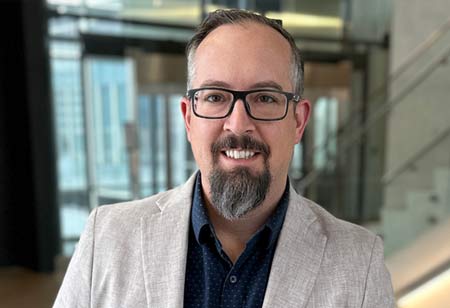
Scott Brazeau
Scott Brazeau brings a leadership approach centered on building trust, accountability and collaboration within complex construction teams. By empowering people to contribute, encouraging open communication and fostering continuous improvement, he strengthens team performance and develops people who can respond confidently to demanding project conditions.
Leading through Uncertainty
Construction is inherently uncertain and is not for the faint of heart. Weather changes, designs evolve, equipment fails, site conditions can differ from expectations, and schedules are constantly challenged. We cannot control every condition, but as construction leaders, we can shape team culture and guide how people respond to uncertainty.
Safety is the foundation of every decision, from project planning through every action on site. Safety, quality and schedule should not be competing priorities. When the right culture is created, they reinforce one another and contribute to project success.
That starts with establishing a clear vision and defining the outcomes that determine success. When people understand what they are asked to do and why it matters, they are better equipped to make sound decisions when conditions change. Empowering people within their roles, with a clear understanding of why their contribution matters, builds accountability, ownership and solution-oriented thinking.
Building Collaboration around a Shared Vision
One of the most important lessons I have learned is that having a defined vision is critical, but without collaboration, that vision is merely a dream. Major infrastructure projects involve too many interfaces for any one person or discipline to have all the answers. Owners, designers, consultants, contractors, trade partners and tradespeople bring different experiences and perspectives.
“Effective leadership is measured not only by the projects we deliver, but by the people we help develop and the environment we create for their success.”
Meaningful collaboration requires a culture where everyone feels empowered, trusted and supported. On a recent project, we established a program that gave workers a direct mechanism to raise questions, concerns and suggestions, with a commitment to respond within 24 hours. Both submissions and responses were made public to demonstrate transparency.
That created something foundational for the team: trust. When people feel heard and respected, they become more engaged. When they are engaged, they collaborate and take ownership of a shared outcome.
Using Technology within a Strong Culture
Technology gives project teams better ways to identify risks earlier, make informed decisions and communicate across complex projects. BIM, reality capture, drones, digital project management platforms, survey technology and monitoring systems are changing how work is planned and executed.
But the greater opportunity is cultural. Technology only creates value when people are willing to challenge established practices. If people fear failure, they eventually stop bringing forward ideas. Leaders need to create enough trust for teams to take calculated risks, learn from what does not work and continue improving.
Technology will never replace experience. It gives experienced people better information and better tools to apply their experience. Technology provides new capabilities, but culture determines whether an organization has the courage to use them.
Strengthening Team Performance
Effective leadership starts with a clear vision and a culture in which people can perform at their best. Projects will face pressure, and teams will look to their leaders to understand how they should respond. If a leader reacts to every problem with stress and frustration, that response becomes contagious. If the leader remains calm, focused and solution-oriented, that becomes contagious as well.
My advice to young professionals is to remember that construction is much more than engineering, steel and concrete. Learning the technical side, spending time in the field and learning from experienced people are essential, but so are listening, communication, relationship building and bringing different perspectives together.
A leadership title is not required to influence the environment around a team. Preparation, accountability, curiosity and respect for others all contribute to team culture. Young professionals should become comfortable being uncomfortable, ask questions, challenge assumptions and try something new.
Leadership is measured not only by the projects we deliver, but by the people we help develop and the environment we create for their success. For me, that is the real measure of leadership in construction.
The articles from these contributors are based on their personal expertise and viewpoints, and do not necessarily reflect the opinions of their employers or affiliated organizations.
Top
