
THANK YOU FOR SUBSCRIBING
× 
Construction Tech Review Weekly Brief
Be first to read the latest tech news, Industry Leader's Insights, and CIO interviews of medium and large enterprises exclusively from Construction Tech Review

Kovach Enclosure Systems, LLC
Ryan Martin, SMP, CHST, Director of Risk Management, Kovach Enclosure Systems
Integrating Safety, Quality and Continuous Improvement in Construction
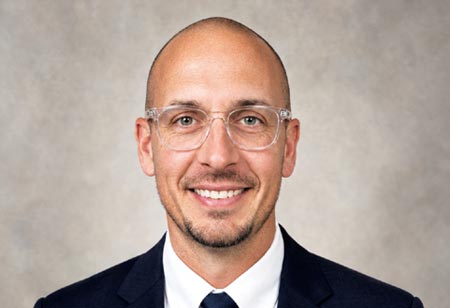
Ryan Martin
Ryan Martin is a construction safety professional with over 20 years of experience in the glass and glazing industry. He specializes in safety management, regulatory compliance and implementing protocols that promote safer, more efficient operations across construction sites and manufacturing facilities.
Building Quality into Every Stage of Construction
Throughout my career, I have learned that safety, quality and Lean are not three separate initiatives. They are interconnected parts of running a successful construction operation. When these areas work together, you reduce risk, eliminate unnecessary work, improve productivity, and ultimately deliver a better product.
At Kovach, we have focused on bringing these disciplines together through better planning, communication and field engagement. Whether it's identifying hazards before work begins, conducting quality inspections early in the installation process, or implementing small Lean improvements, the objective is the same: prevent problems rather than react to them.
One of our biggest areas of focus has been getting quality control involved earlier in projects. By reviewing mockups, evaluating initial installations and conducting proactive inspections, we can identify potential issues before they become expensive problems.
To me, operational excellence means doing the work safely, doing it right the first time and constantly looking for ways to improve how we get there.
Developing Leaders Who Take Ownership
The most effective leadership practice I have found is being present and holding people accountable while also giving them the tools and support to succeed.
You cannot build a strong culture from behind a desk. You have to spend time in the field, understand the challenges employees face and listen to their feedback. Some of the best improvements I have seen have come directly from the employees performing the work.
“The most effective leadership practice I have found is being present and holding people accountable while also giving them the tools and support to succeed.”
I also believe in developing leaders who take ownership rather than simply following instructions. When employees understand why something matters, whether it's a safety procedure, installation requirement or process improvement, they are more likely to make the right decisions without someone constantly watching.
Consistency is equally important. Leadership cannot emphasize safety one day and overlook it the next because a project is behind schedule. The same applies to quality. Our expectations have to remain consistent regardless of production pressures. Ultimately, culture is built through everyday actions, not slogans or policies.
Turning Data into Actionable Improvements
Technology has significantly changed how we identify trends, communicate expectations and hold ourselves accountable.
In safety, we have implemented fleet monitoring technology that provides insight into driving behaviors and allows us to coach employees using actual performance data rather than assumptions. We have also improved how we track training, inspections and incident information.
On the quality side, digital construction management platforms allow our teams to document inspections, capture photos, identify deficiencies and communicate findings directly with project teams. This creates greater transparency and helps ensure issues are addressed before they affect subsequent work.
However, I believe technology is only as effective as the people using it. Collecting data doesn't automatically improve performance. Leaders need to review that information, recognize patterns and turn it into meaningful action.
The real value of technology is giving our team better information to make smarter decisions before problems occur.
Building a Culture of Employee-Led Improvement
One of the biggest lessons I have learned is that continuous improvement doesn't have to involve major changes or expensive investments.
I'm a strong believer in the 2-Second Lean philosophy, which encourages employees to identify small improvements that make their daily work easier, safer or more efficient. We have seen firsthand how simple improvements to tools, material organization, fabrication processes and installation methods can make a meaningful difference.
The challenge is not necessarily getting employees to come up with ideas. It's creating an environment where they feel encouraged to share those ideas and where leadership follows through.
When employees see their suggestions being implemented, they begin taking greater ownership of the process. Continuous improvement becomes sustainable when it stops being another management initiative and becomes something employees naturally look for every day.
Advice for Emerging Construction Professionals
My biggest advice is to learn the construction process, not just the discipline you are responsible for. You can have certifications, understand regulations and know every procedure, but if you don't understand how the work is actually performed, your effectiveness as a leader will be limited.
Spend time with the crews, learn from experienced superintendents and foremen, ask questions, and understand the challenges of completing work in the field. Throughout my career, I have had the opportunity to gain experience across multiple areas of construction, from field operations to safety, quality and leadership, and one thing I have learned is that relationships and credibility matter just as much as technical knowledge.
Don't be afraid to make decisions, take ownership of mistakes and challenge processes that aren't working. At the same time, remain humble enough to recognize that you can learn something from anyone on a jobsite.
Most importantly, remember that leadership is not about your title. It's about the impact you have on the people around you and whether you are helping them become better at what they do.
The articles from these contributors are based on their personal expertise and viewpoints, and do not necessarily reflect the opinions of their employers or affiliated organizations.
Top
