
THANK YOU FOR SUBSCRIBING
× 
Construction Tech Review Weekly Brief
Be first to read the latest tech news, Industry Leader's Insights, and CIO interviews of medium and large enterprises exclusively from Construction Tech Review

Same
Manny Souza, Vice President of EH&S
Mitigating Risk with Technology Adoption
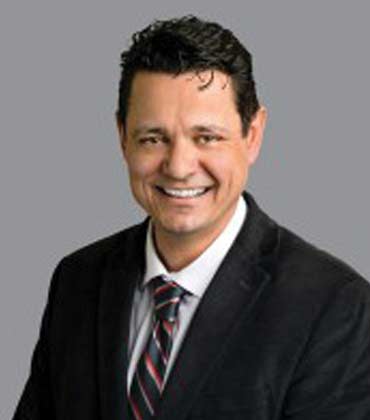
Manny Souza
In an interview with Construction Tech Review, Manny Souza, vice president of EH&S, Samet talks about the importance of effective risk mitigation by deploying innovative technologies, and the value of safety performance in the construction industry.
Could you brief us on your experience in the construction space?
I have over 28 years of experience in the construction industry in the United States, with a focus on environmental health and safety (EH&S) for more than 20 years. It has been nearly three years of being associated with my current organization in the southern region. Prior to this, I had the privilege of working for a prominent international construction company for over 16 years, where I gained valuable expertise in both domestic and international markets.
My primary focus revolves around risk mitigation, safety, and performance in the construction industry, particularly emphasizing the significance of effective means and methods for operational success.
What are some of the challenges that are prevalent in the construction industry right now and how are you going about mitigating these challenges?
It is evident that the US construction sector still faces challenges in terms of risk mitigation, particularly concerning outdated means and methods that fall short of not only maintaining compliance but also in delivering optimal project outcomes.
Recognizing that success hinges on the implementation of efficient means and methods, we acknowledge their critical role in ensuring safety, quality, and overall project success. These factors serve as key drivers for mitigating risks and providing exceptional services to our valued customers and stakeholders.
Are there any new methods or technology that has contributed to the risk mitigation or safety performance strategies that you have formulated in your organization?
One of the key highlights in the realm of risk mitigation is the adoption of innovative solutions across various market sectors within the construction industry. Exploring these innovative approaches, such as pre-construction and pre-assembly techniques and modularization of construction components, can yield significant benefits in terms of productivity and in enhancing safety measures, which holds greater importance than ever before.
“One of the key highlights in the realm of risk mitigation is the adoption of innovative solutions across various market sectors within the construction industry”
Comparing the US construction market to more advanced and international counterparts, we observe the pervasive presence of technology. For example, when considering the crucial role of power cranes in construction projects, innovative technologies like hook cameras have been widely utilized in Europe and Australia for an extended period. Now, the US is increasingly embracing such technologies to optimize construction operations.
Fall protection and prevention remains a paramount concern in our industry. Throughout many US cities, there persists a reliance on basic means and methods for worker safety, primarily relying on personal fall arrest systems. This over-reliance poses significant risks.
However, there is a range of innovative solutions available, including improved products and proprietary engineered systems, offering enhanced fall prevention measures and better working platforms for tasks performed at heights. It is crucial to prioritize means and methods when selecting trade partners for construction projects, delving deeper into the sophistication of their practices. The impact directly correlates with the effectiveness of these practices.
The articles from these contributors are based on their personal expertise and viewpoints, and do not necessarily reflect the opinions of their employers or affiliated organizations.
Top
