
THANK YOU FOR SUBSCRIBING
× 
Construction Tech Review Weekly Brief
Be first to read the latest tech news, Industry Leader's Insights, and CIO interviews of medium and large enterprises exclusively from Construction Tech Review

Corrigan Company Mechanical Contractorsers
John Geske, CHST, Safety Director
Making Safety a Shared Commitment
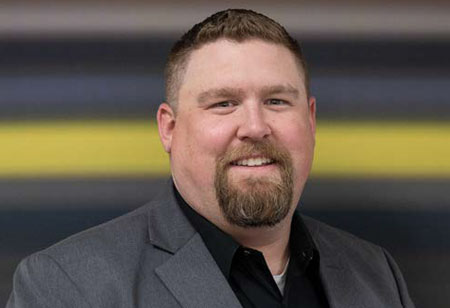
John Geske
Building Practical Safety Programs
My approach is to make sure any safety program or procedure we put in place works in the field while meeting OSHA requirements and, where appropriate, going beyond those minimum requirements. I do not believe in putting something in a written program simply because it sounds good on paper. The program needs to meet the requirements, but it also needs to be something our employees can put into practice in the field. If we say we are going to do something, we need to be prepared to do it and provide employees with the training, equipment and resources to meet that expectation.
When developing a new program or revising an existing one, I also get input from our Safety Committee. The people performing and supervising the work can provide perspectives you may not see when writing a procedure.
Just as important is communicating those expectations throughout the organization. From the employee performing the work to the foreman, project manager and senior leadership, everyone needs to understand what we are trying to accomplish and why.
Every incident deserves an appropriate response, but that does not automatically mean another rule. Every incident should be evaluated and the corrective action should address what actually caused the problem. Sometimes the answer is a program change. Other times we may need to focus on training, communication, supervision or how the work was performed.
Empowering Employees to Own Safety
We expect everyone to take ownership of safety rather than relying solely on the safety team. We cannot be everywhere, so our field leaders and employees need the knowledge, confidence and support to make good safety decisions.
When a field leader brings me a safety concern, I try not to simply give them the answer. We walk through the situation, I get their input, and we discuss how to safely move forward. Whenever possible, I prefer to go to the site and look at the conditions firsthand, then follow up afterward. Being part of those decisions helps field leaders build the confidence to make good safety decisions when the safety team is not standing beside them.
Safety's role is not just enforcement. We also need to be a resource that employees and field leaders are comfortable reaching out to.
Making It Safe to Speak Up
A big part of building that culture is what happens after someone speaks up. If an employee reports a Good Catch, near miss or stops work, they need to see that we take it seriously. Employees also need to know that when they stop work or raise a legitimate concern in good faith, leadership is going to support that decision rather than punish them for speaking up.
The response should fit the situation. Sometimes an issue can be corrected at the jobsite. Other situations may be something the entire company can learn from. In those cases, I may involve the project manager, senior leadership, and our Safety Committee. When appropriate, we may also put together a toolbox talk so other crews can learn from what happened.
“A strong safety culture is not something you achieve and move on from. It is something you have to continue working on every day.”
I also believe in recognizing employees when they speak up or make a good safety decision. If someone identifies a hazard, reports a near miss, or stops work because something does not look right, I want them to know that we appreciate them taking action. Just as important, employees need to see that when they bring something forward, we follow up on it. That does not mean every report results in a new rule or major change, but it does mean we listen, look into it and respond appropriately. I believe that recognition and follow-through are what encourage employees to keep speaking up and help build trust over time.
Making Safety Part of Everyday Work
Leadership visibility is extremely important, but I do not want employees to see me walk onto a jobsite and think, ‘Safety is here, I better change what I'm doing.’ I want them to be comfortable approaching me, asking questions, and talking openly about the work.
Nothing makes me feel better than when an employee reaches out with a phone call or text to show me how they handled something safely. You can tell when they're proud they made the right decision. That is when safety is becoming part of how they think about the work, rather than something they do because someone is watching.
That visibility cannot come only from the safety department. I meet with our project managers weekly and encourage them to engage with crews through toolbox talks, pre-task planning or simply asking how things are going and what they need from management to work safely.
Building Trust through Consistent Action
For me, it comes back to engagement, communication and understanding. Technology, programs and procedures will continue to evolve, but they cannot replace conversations with the people actually performing the work.
We also need to be careful about jumping to conclusions when something goes wrong. We need to understand what happened, talk with the people involved and figure out what actually needs to change.
Most importantly, building a safety culture takes time and is never truly finished. We cannot simply tell employees we want them to speak up and expect them to immediately trust that process. They have to see us follow through on what we say. Every time someone raises a concern and leadership listens, responds, and supports them, we build a little more trust.
A strong safety culture is not something you achieve and move on from. It is something you have to continue working on every day.
The articles from these contributors are based on their personal expertise and viewpoints, and do not necessarily reflect the opinions of their employers or affiliated organizations.
Top
