
THANK YOU FOR SUBSCRIBING
× 
Construction Tech Review Weekly Brief
Be first to read the latest tech news, Industry Leader's Insights, and CIO interviews of medium and large enterprises exclusively from Construction Tech Review

Govan Brown & Associates
Daniel Holyk, GSC, Construction Site Manager
My Leadership Perspective: Safety, Planning and Leadership
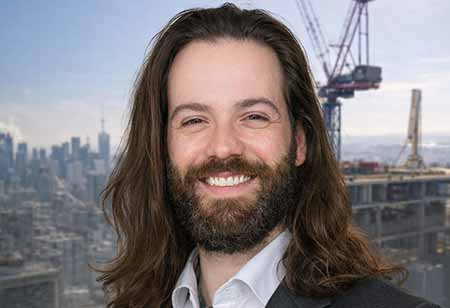
Daniel Holyk
A Foundation for Effective Leadership
I have spent more than 25 years in the construction industry, including 20 years primarily in residential construction. Over the past five years, I have had the opportunity to move into commercial construction, working on a diverse range of projects, from restaurants and university laboratories to major office renovations and highly specialized commercial facilities.
Every project has different buildings, clients, trades, schedules and challenges. After thousands of construction situations, I have learned that the fundamentals of good leadership remain the same.
People need to know what is expected of them, trades need to understand the sequence of work, and materials need to be available when needed. The work must be planned, communication must be clear, and problems must be identified before they become emergencies. Above all, everyone needs to go home safely at the end of the day.
Reading the Site beyond the Surface
Over the years, I have developed the ability to walk onto a construction site and quickly understand how well it is being managed. I look at housekeeping, material storage, access routes, temporary protection and how trades are interacting. I watch how people move through the site and listen to what they are talking about.
A clean and organized site does not mean everything is perfect. Construction is construction. There will always be dust, tools, materials and unfinished work. What matters is whether the site is controlled. There is a big difference between a busy site and a chaotic site. A busy site can be extremely productive. A chaotic site usually means people are working around problems instead of working according to a plan.
Leading with Accountability and Calm
Poor planning, communication, housekeeping, coordination, scheduling and supervision can all create safety risks. Even schedule pressure can become a safety issue. When a project falls behind, there can be pressure to work faster, skip steps, move materials differently or have multiple trades working in an area that was never designed to accommodate them. That is when leadership matters most.
“One of the biggest lessons I have learned is that when something goes wrong, we should seek the root cause before assigning blame.”
My responsibility is to check whether the work is done safely and the right way. Every construction site tells a story. If materials are scattered, I ask why. If workers are constantly looking for materials, I ask why. If several trades are working on top of each other, I ask why. If housekeeping is poor or temporary protection is missing, I ask why.
One of the biggest lessons I have learned is that when something goes wrong, we should seek the root cause before assigning blame. Accountability matters, but understanding the cause helps prevent it from happening again.
I believe leadership means walking the site, talking to trades, listening to foremen, asking questions, understanding problems and making decisions rather than just giving orders. It means holding people accountable while also recognizing good work. Most importantly, it means remaining calm when things go wrong.
Building with Purpose
Construction will always have challenges—delayed materials, conflicting drawings, changing conditions, inspections, schedule delays and mistakes. The difference between a good leader and a poor one is how they respond to problems.
Plan the work. Communicate the plan. Coordinate the people. Keep the site organized. Identify problems early. Lead by example. And never allow schedule pressure to become an excuse for putting people at unnecessary risk. Construction excellence comes from hundreds of small decisions made correctly every day rather than one big decision.
It is choosing to clean an area before leaving it, moving material out of a walkway and asking a question instead of making an assumption. And sometimes, it means making the decision to stop and protect someone, even when the schedule is under pressure. Because at the end of the day, we are not just building buildings, we are responsible for the people building them.
The articles from these contributors are based on their personal expertise and viewpoints, and do not necessarily reflect the opinions of their employers or affiliated organizations.
Top
